Buyer's Guide
Where to Buy Rural Land Plots Online in the UK
The Rise of Online Rural Land Buying in the UK
The internet has transformed how buyers discover and purchase rural land across the United Kingdom. What once required lengthy visits to local estate agents, word-of-mouth introductions or classified advertisements in farming magazines can now be accomplished from any device connected to the internet. For buyers searching for rural plots — whether for agricultural purposes, self-build projects, woodland investment or simple land banking — the digital landscape offers more options than ever before.
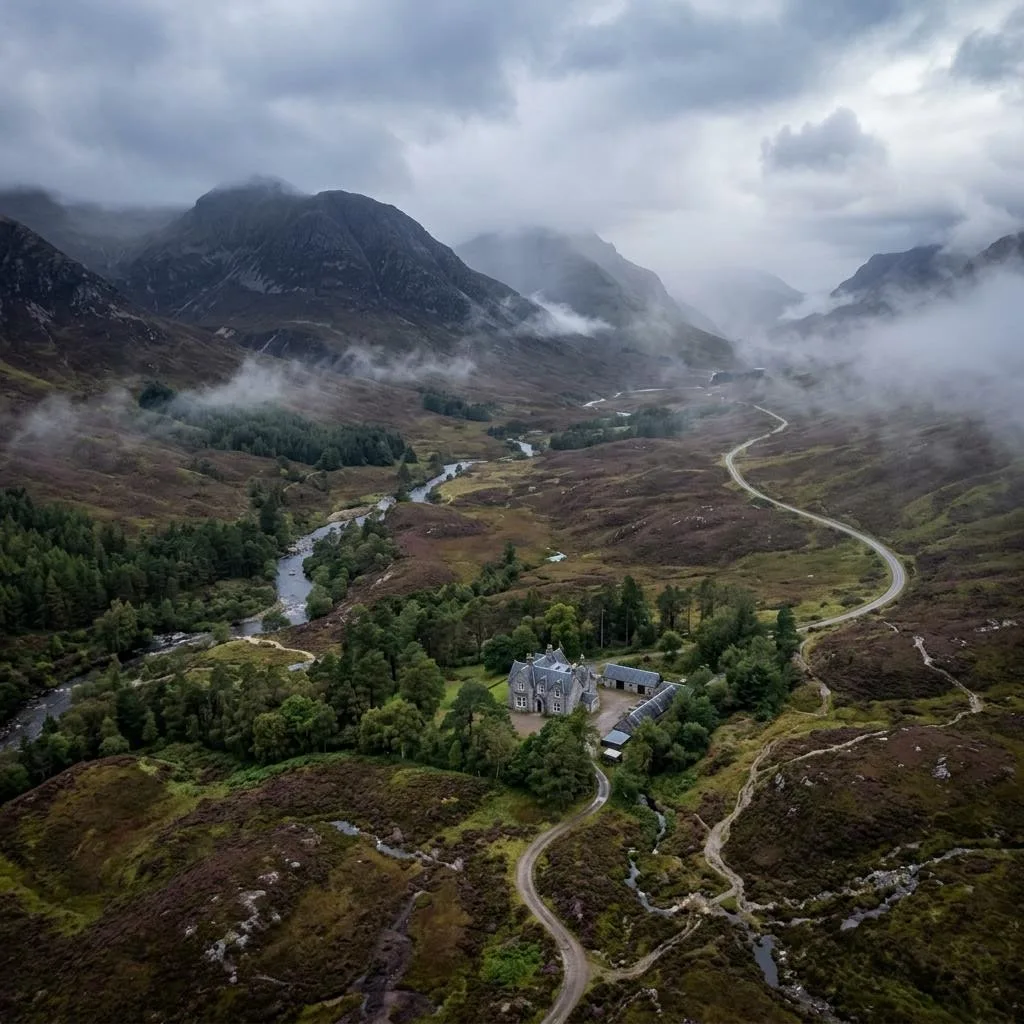
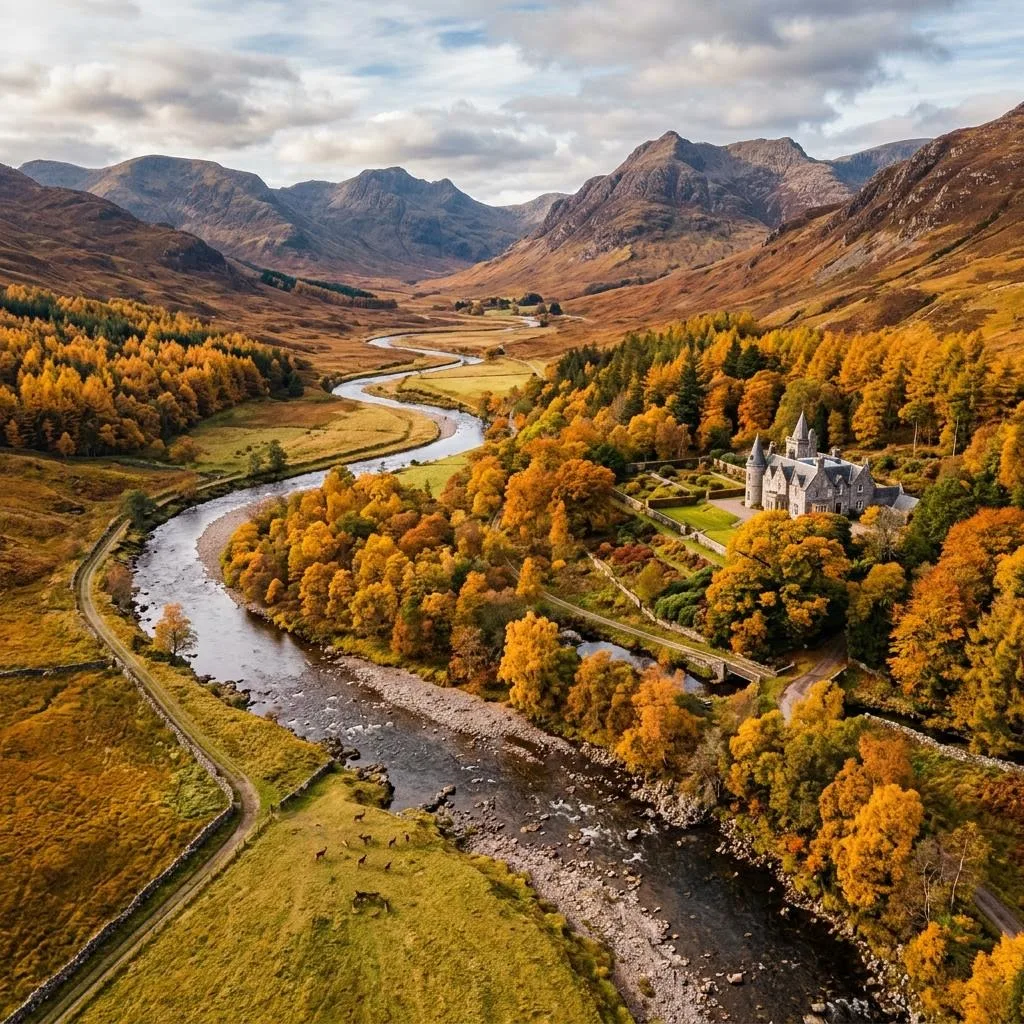
Rural land in the UK encompasses an enormous range of property types. From exposed moorland in the Scottish Highlands to rolling farmland in Devon, from small woodland copses in Wales to riverside meadows in the Yorkshire Dales, the countryside contains an astonishing variety of opportunities for buyers with different goals and budgets. Understanding where to search effectively online can save considerable time and help buyers identify opportunities that match their specific requirements.
This guide explores the primary routes available to buyers searching for rural land plots online in the UK, including specialist platforms, search strategies, planning databases and the legal verification tools that help buyers move forward with confidence.
Specialist Land Marketplaces
The most effective starting point for most buyers is a dedicated land marketplace. Unlike general property portals that primarily focus on residential homes, specialist land platforms curate listings specifically for land buyers. These platforms understand the unique requirements of the land market and typically present information in formats that are genuinely useful for buyers — including acreage, planning status, access details and land type classifications.
Land-sale.uk is one such dedicated platform operating across the UK, Europe and international markets. Its focus on connecting buyers with sellers of rural, agricultural and development land makes it a strong resource for anyone beginning their search. Specialist platforms like this allow buyers to filter by land type, location and budget without having to sift through thousands of irrelevant residential listings.
When using any specialist marketplace, buyers benefit most from setting up saved searches and email alerts. Land — particularly desirable rural plots — can sell quickly, especially in competitive regions. Alert systems notify buyers the moment new listings matching their criteria appear, giving them the opportunity to act promptly rather than discovering opportunities weeks after they have already received serious interest.
It is worth registering with multiple platforms simultaneously rather than relying on a single source. Different sellers choose different platforms, so widening the search increases the likelihood of finding suitable opportunities that others may overlook.
Land Registry and Government Resources
The HM Land Registry is an essential resource for any buyer searching for or researching rural land in England and Wales. The Land Registry holds records of registered land ownership throughout England and Wales, allowing buyers to verify who owns a particular piece of land, check for existing charges or restrictions, and confirm boundary information.
Beyond verifying existing listings, the Land Registry can also be a source of opportunity. Some buyers use Land Registry data to identify landowners directly and approach them about potential purchases, particularly in areas where they cannot find listings through conventional channels. This proactive approach requires more effort but can occasionally surface opportunities that have never been formally marketed.
Scotland operates under a separate system through Registers of Scotland, while Northern Ireland uses its own Land Registry. Buyers searching in these regions should ensure they are consulting the correct authority for ownership and title information relevant to their target area.
Local planning authority websites are equally valuable for buyers interested in rural land with development potential. Most planning portals allow searches by postcode or map reference, enabling buyers to check whether planning applications have been submitted or approved on specific pieces of land. Understanding a plot's planning history before making an offer can reveal both opportunities and complications that may not be immediately obvious from listings alone.
Auction Platforms for Rural Land
Land auctions have moved significantly online in recent years. Several established auction houses now conduct bidding entirely through digital platforms, meaning buyers can participate in competitive land sales without travelling to physical auction rooms. This has significantly expanded the pool of buyers who can engage with auction-sold rural plots across all regions of the UK.
Auction platforms typically publish legal packs in advance of each sale date, allowing buyers and their solicitors to review ownership documentation, searches and planning information before bidding. Buyers who complete this due diligence thoroughly are better prepared to make confident decisions within the typically shorter timeframes that auctions impose.
One important consideration with auction purchases is that successful bidders are usually committed to completing within a set period — often twenty-eight days. This means buyers should have finance arranged and solicitors instructed before auction day. The speed of auction transactions can be both an advantage and a risk depending on how well-prepared the buyer is.
Guide prices at auction can be indicative rather than definitive, with competitive bidding sometimes pushing final sale prices significantly above expectations. Buyers should set a maximum bid in advance and resist the temptation to exceed it under the pressure of live bidding dynamics.
Using Mapping Tools to Research Rural Plots
Before visiting any rural plot in person, digital mapping tools provide invaluable context. Satellite imagery from services such as Google Maps and Bing Maps allows buyers to assess the general character and condition of land from a distance. More detailed Ordnance Survey mapping — available through various online services — shows topography, rights of way, boundaries and nearby features that can affect the practical usability and value of a plot.
Flood risk maps maintained by the Environment Agency (for England) and Natural Resources Wales are freely accessible online and should be consulted for any rural plot in a low-lying area or near watercourses. Flood risk can significantly affect both the practical use of land and its insurability and value.
Rural land buyers should also check the Agricultural Land Classification for any farmland they are considering. Grade 1 and Grade 2 agricultural land represents the highest quality arable land in England and Wales and typically commands premium prices. Understanding the classification helps buyers assess whether a quoted price is appropriate and what agricultural activities are likely to be viable.

Social Media and Community Groups
Online communities focused on land buying, self-build projects and rural living can be surprisingly useful sources of leads and intelligence. Facebook groups dedicated to smallholding, woodland ownership and rural land purchasing regularly feature members discussing available plots, sharing experiences and occasionally posting listings that have not yet appeared on formal platforms.
Forum communities centred around specific interests — such as equestrian land, off-grid living or conservation projects — sometimes feature members with land to sell who prefer to find like-minded buyers directly rather than through agents. Engaging authentically in these communities can open doors to opportunities that never reach conventional marketplaces.
LinkedIn can also be a useful tool for connecting with land agents, rural property professionals and landowners in specific geographic areas. Professional networks sometimes surface opportunities through relationship building rather than formal listings.
What to Look for in an Online Rural Land Listing
Not all online land listings provide equally useful information. Strong listings typically include a clear statement of acreage, land type, current use, planning status, access arrangements and any known restrictions or covenants. Aerial photography and ground-level images help buyers form an initial impression before visiting in person.
Buyers should be cautious of listings that omit important details such as access rights, drainage arrangements or planning history. Vague descriptions can sometimes indicate complications that sellers would prefer buyers to discover only after expressing interest. Asking direct questions early in the process helps buyers avoid wasting time on plots that do not genuinely match their requirements.
Price per acre is a useful metric for comparing rural land, but it should be considered alongside many other factors. Location, planning status, soil quality, access and proximity to utilities can all dramatically affect value in ways that a simple price-per-acre comparison does not capture.
Verifying Planning Status Online
Planning status is one of the most critical factors affecting the value and potential of rural land in the UK. Land with existing planning permission — particularly for residential development — can command prices many times higher than comparable plots without consent.
Buyers can check planning histories for specific sites using local authority planning portals. Most councils in England and Wales provide freely accessible online search tools where users can enter a postcode or site address to retrieve planning application records. These records show not only approved applications but also refused applications, which can reveal why certain uses have been rejected and what challenges future applications may face.
Buyers interested in the potential for future planning gain should also research local development plans. These documents, published by local planning authorities, identify land allocated for future development and areas where planning restrictions are likely to remain strict. Understanding where a plot sits within the local planning framework helps buyers assess realistic development scenarios.
Making the Most of Professional Networks
While online platforms offer substantial reach, rural land transactions often benefit from professional relationships. Rural land agents, surveyors and solicitors with strong local knowledge can sometimes identify opportunities before they are formally marketed. Cultivating relationships with professionals who specialise in rural property can supplement online searching and occasionally deliver access to off-market opportunities.
Buyers who engage proactively with local professionals — even at an early stage — often find that their search becomes more targeted and more productive. Professionals with established networks may be aware of landowners considering selling even when nothing has yet been listed publicly.
Patience and Persistence in the Rural Land Market
Buying rural land online in the UK requires patience. Suitable plots may not appear frequently in some regions, and highly competitive areas can see desirable land sell quickly. Buyers who conduct thorough preparation — including having finances in principle, instructing solicitors early and being clear about their requirements — are best placed to move quickly when the right opportunity appears.
Persistence also matters. Markets fluctuate, and buyers who remain engaged over time often identify opportunities that would have been missed by those who search sporadically. Setting up alerts, checking platforms regularly and maintaining relationships with agents and professionals helps ensure that no relevant opportunity goes unnoticed.
Conclusion
The UK's rural land market is increasingly accessible through digital channels, offering buyers a wider range of search tools and resources than ever before. Specialist land marketplaces, government planning databases, auction platforms and mapping tools together provide a comprehensive framework for finding, researching and evaluating rural plots online.
Combining these digital resources with professional relationships and proactive engagement gives buyers the best possible chance of finding the rural land they are looking for — at a price that reflects genuine market value and with full awareness of the opportunities and constraints that each plot presents.
Ready to start your search? Browse our current rural land listings or speak to our team for guidance on finding the right rural plot for your needs.