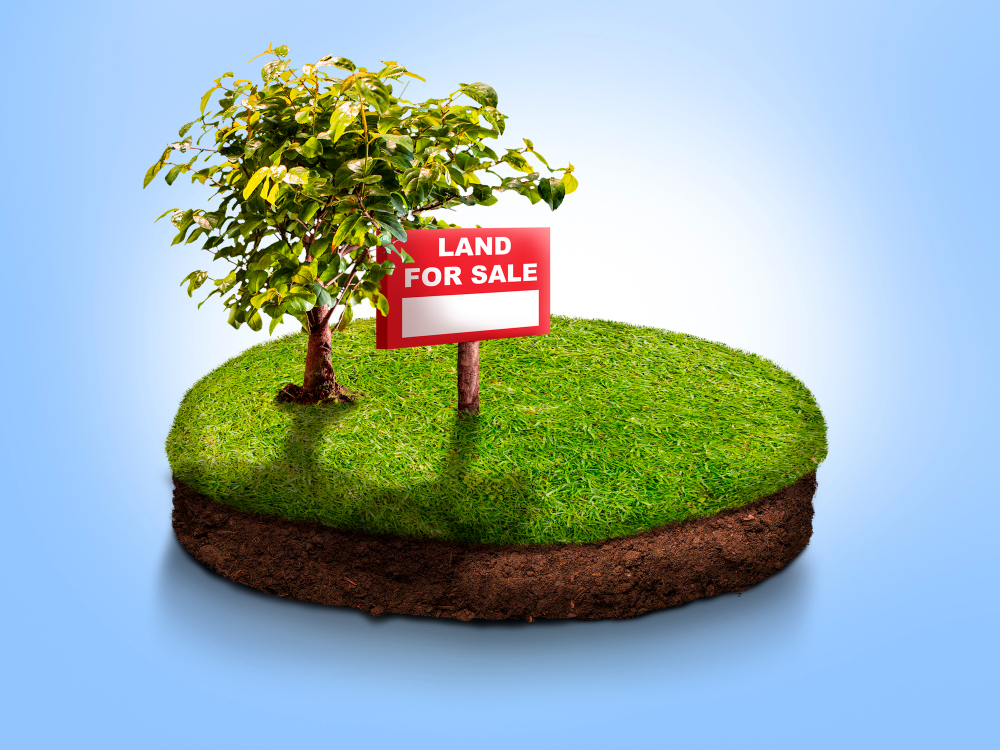
Land-Sale.uk – Buy, Sell & Invest in Land for Sale Across the UK, Europe and Worldwide
A Modern Marketplace for Land Buyers and Sellers
Land has always been one of the most valuable assets in the world. Unlike many investments that rise and fall with trends, land remains tangible, finite and full of long-term potential. Whether someone is searching for a rural retreat in the British countryside, a development plot in Europe, or agricultural acreage overseas, finding the right opportunity can often feel overwhelming. That is where Land-Sale.uk positions itself as a valuable resource for buyers, sellers and investors looking to navigate the land market with greater confidence.
The platform focuses on connecting people with a broad range of land opportunities across the UK, Europe and international locations. From residential plots and commercial land to agricultural fields and woodland, the marketplace aims to simplify the process of discovering, listing and investing in land. In a market where information can often be scattered and difficult to compare, having a dedicated land-focused platform helps bring clarity to buyers and sellers alike.
Interest in land investment has increased steadily over the past decade. Rising property prices, growing interest in sustainable living and demand for development opportunities have encouraged more people to consider land as part of their investment strategy. Some buyers dream of building a custom home, while others see land as a strategic long-term asset capable of generating future returns. Whatever the motivation, the appeal of owning land remains remarkably strong.
Why Land Continues to Attract Investors
Land differs from traditional property investments in several important ways. Buildings may deteriorate over time, but land itself is permanent. This enduring value is one of the reasons many investors see it as a relatively secure asset, particularly during uncertain economic periods.
One of the key attractions of land investment is flexibility. A single plot may hold multiple possibilities depending on its location, planning status and future demand. Agricultural land can support farming activities, residential plots may become future homes, and commercial sites could evolve into thriving business developments. Even undeveloped land can appreciate significantly if nearby infrastructure or housing projects increase local demand.
Another reason people are drawn to land is affordability. While prime property prices in cities may be out of reach for many buyers, smaller plots of land can often provide a more accessible entry point into real estate investment. Some investors purchase land with immediate plans, while others simply hold it for future value growth.
Land also appeals to people seeking lifestyle changes. Increasing numbers of buyers are looking for countryside escapes, eco-living opportunities and self-sufficient lifestyles. Woodland plots, smallholdings and rural acreage have become particularly desirable among those hoping to step away from busy urban environments.
Exploring Land Opportunities in the UK
The UK land market offers a diverse range of opportunities for buyers with different goals and budgets. England, Scotland, Wales and Northern Ireland each present unique landscapes, planning systems and investment potential.
Residential plots remain highly sought after, especially in regions experiencing housing shortages. Buyers searching for self-build opportunities often look for plots with planning permission already in place, as this can reduce complexity and speed up development. Areas near expanding towns and commuter regions continue to attract attention from developers and private buyers alike.
Agricultural land also remains an important sector within the UK market. Farmers, investors and lifestyle buyers frequently search for grazing fields, arable land and mixed-use farmland. Beyond farming, agricultural land can sometimes offer diversification opportunities such as renewable energy projects, tourism ventures or equestrian facilities.
Scotland has become particularly attractive for those interested in larger rural holdings and scenic landscapes. Woodland investments, off-grid living projects and recreational land purchases are increasingly common in remote areas where natural beauty adds long-term appeal.
Coastal land across parts of Wales and southern England also attracts buyers seeking tourism-related opportunities. Holiday accommodation developments, camping sites and glamping businesses have expanded significantly in recent years, creating additional demand for suitable plots.
The Growing Appeal of European Land Investment
Investing in land outside the UK has become increasingly appealing for both lifestyle buyers and international investors. Europe offers diverse climates, cultures and pricing structures, making it possible for buyers to explore opportunities that may not exist domestically.
Southern European countries often attract buyers looking for warmer climates and tourism-driven investments. Rural plots in Spain, Portugal and parts of Italy appeal to those interested in holiday homes, vineyards or eco-tourism ventures. In some regions, land prices remain relatively affordable compared with highly developed urban areas.
Eastern Europe has also gained attention among investors seeking growth potential. Infrastructure improvements, expanding tourism industries and lower entry costs have encouraged interest in countries where land values may rise over time. Investors willing to take a long-term approach often see these markets as opportunities for future appreciation.
France continues to attract buyers seeking agricultural land, countryside retreats and development opportunities. Its combination of rural charm and strong tourism demand makes it an enduring favourite among international land buyers.
Purchasing land abroad naturally requires careful research. Legal systems, planning regulations and ownership structures can vary considerably between countries. Buyers who approach international land investment with patience and proper due diligence are often better positioned to avoid unnecessary complications.
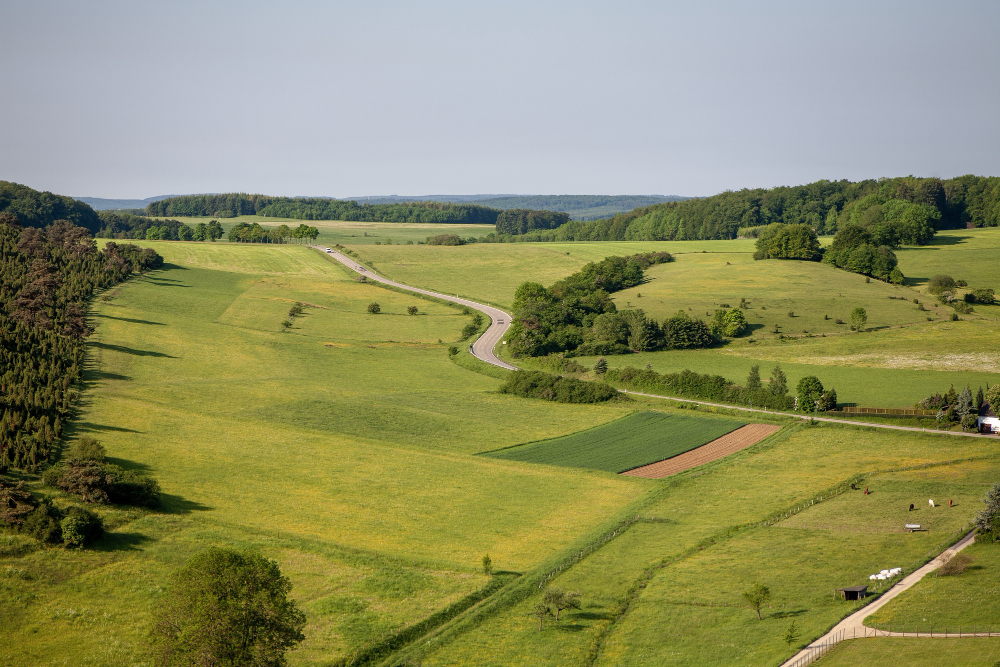
Worldwide Land Opportunities Beyond Europe
The global land market opens the door to even wider possibilities. International buyers increasingly explore opportunities in North America, Asia, Africa and emerging markets where land availability and pricing may differ significantly from Europe.
In some regions, investors focus on agricultural potential. Growing populations and concerns around food security have increased interest in farmland investments worldwide. Agricultural land can provide income opportunities while also serving as a long-term asset.
Tourism-driven markets also continue to attract international attention. Coastal plots, island developments and resort land can offer substantial potential where tourism infrastructure is expanding. Buyers interested in hospitality projects often seek locations benefiting from rising visitor numbers and economic growth.
Sustainability trends are influencing land investment on a global scale as well. Renewable energy projects, conservation initiatives and eco-friendly developments are shaping new opportunities within the land sector. Solar farms, forestry investments and environmentally focused developments are becoming increasingly relevant in many countries.
Global land investment does, however, require careful consideration of political stability, currency fluctuations and legal protections. Thorough research remains essential before committing to any overseas purchase.
Selling Land in an Increasingly Competitive Market
For landowners looking to sell, visibility plays a crucial role in attracting the right buyers. Unlike residential property, land sales often target niche audiences with very specific interests. A residential developer may be searching for entirely different opportunities compared with a farmer, investor or private lifestyle buyer.
Effective land listings need to provide detailed and accurate information. Buyers often want to know about planning status, access rights, utilities, boundaries and nearby infrastructure before making enquiries. Clear descriptions help reduce uncertainty and attract more serious interest.
Pricing land correctly is equally important. Overpricing can discourage potential buyers, while undervaluing may result in lost opportunities. Sellers who understand local market conditions are often better positioned to achieve successful outcomes.
Marketing also matters significantly in the digital age. Online exposure allows landowners to reach broader audiences, including international investors who may never discover opportunities through traditional advertising channels. A focused land marketplace helps ensure listings appear before buyers actively searching for this type of investment.
Understanding Different Types of Land for Sale
The land market includes a wide variety of categories, each serving different purposes and attracting different buyers. Understanding these distinctions can help investors make more informed decisions.
Residential Land
Residential plots are intended for housing development, whether for single homes or larger projects. Planning permission often has a significant impact on value, as approved plots generally command higher prices than undeveloped land without permissions.
Agricultural Land
Agricultural land includes farmland, grazing fields and arable acreage used for food production or livestock. This sector often appeals to farmers, rural investors and buyers interested in sustainable living.
Commercial Land
Commercial plots are intended for business use, including offices, retail developments, industrial sites and logistics facilities. These opportunities are frequently influenced by infrastructure and economic growth.
Woodland and Recreational Land
Woodland plots and recreational acreage attract buyers seeking leisure opportunities, conservation projects or private retreats. Interest in natural spaces has grown considerably as people place greater value on outdoor living and environmental sustainability.
Development Land
Development land offers future building potential and can attract significant investor interest where urban expansion or infrastructure projects are planned nearby. These opportunities often involve higher levels of research and planning assessment.
The Importance of Due Diligence Before Buying Land
Buying land may appear simpler than purchasing property, but it still requires careful investigation. A beautiful plot can quickly become problematic if buyers overlook important details.
Access rights are one of the first considerations. Some plots may appear attractive but lack legal access routes, creating complications for future use or development. Boundary disputes can also arise if land ownership lines are unclear.
Planning regulations are another critical factor. Buyers hoping to build or develop land should always understand local planning restrictions before proceeding. Some land may have environmental protections or zoning limitations that significantly affect potential uses.
Utilities and infrastructure should also be assessed carefully. Water, electricity, drainage and road access can dramatically influence both practicality and value. In remote areas, connecting utilities may involve substantial additional costs.
Professional guidance is often essential when purchasing land, particularly for larger investments or overseas transactions. Surveyors, solicitors and planning specialists can help buyers avoid costly mistakes and make informed decisions.
How Technology Is Changing the Land Market
The land market has evolved significantly with the rise of digital platforms. Buyers no longer rely solely on local estate agents or printed listings to discover opportunities. Online marketplaces now allow people to search nationally and internationally from a single location.
Improved search tools, mapping technology and digital communication have made land transactions more accessible than ever before. Buyers can compare listings, review property details and contact sellers quickly and efficiently.
This increased accessibility has also expanded the market itself. International investors can now explore opportunities across multiple countries without needing to travel extensively during the early stages of research. Sellers benefit from wider exposure and greater visibility among targeted audiences.
As technology continues to evolve, the land market is likely to become even more data-driven. Mapping systems, planning databases and market analytics are already helping buyers make more informed investment decisions.
Land as a Long-Term Investment Strategy
Many investors view land as a patient investment rather than a rapid profit opportunity. Unlike shares or highly volatile assets, land often rewards long-term thinking. Infrastructure projects, population growth and changing planning policies can gradually increase land values over time.
Land can also serve as a hedge against inflation because physical assets often retain value during economic fluctuations. Some investors diversify their portfolios by including land alongside traditional property or financial investments.
The emotional appeal of land should not be underestimated either. Owning a physical piece of the world carries a unique sense of permanence and possibility. For some, it represents future security. For others, it symbolises freedom, independence or a legacy to pass on to future generations.
Final Thoughts
Land-Sale.uk reflects the growing demand for dedicated land marketplaces that connect buyers, sellers and investors across local and international markets. As interest in land ownership continues to rise, platforms focused specifically on land opportunities help simplify what can otherwise be a complex and fragmented process.
Whether someone is searching for a small countryside plot, agricultural acreage, development land or an overseas investment opportunity, the modern land market offers remarkable diversity. Buyers today are motivated by everything from financial growth and sustainability to lifestyle ambitions and future planning.
Land remains one of the world’s most enduring assets. While markets evolve and investment trends shift, the demand for land continues because it represents opportunity in its purest form — a blank canvas with the potential to become almost anything.