Digital Search Guide
Best Websites to Find Land for Sale in the UK
Finding Land Online: A Growing Market
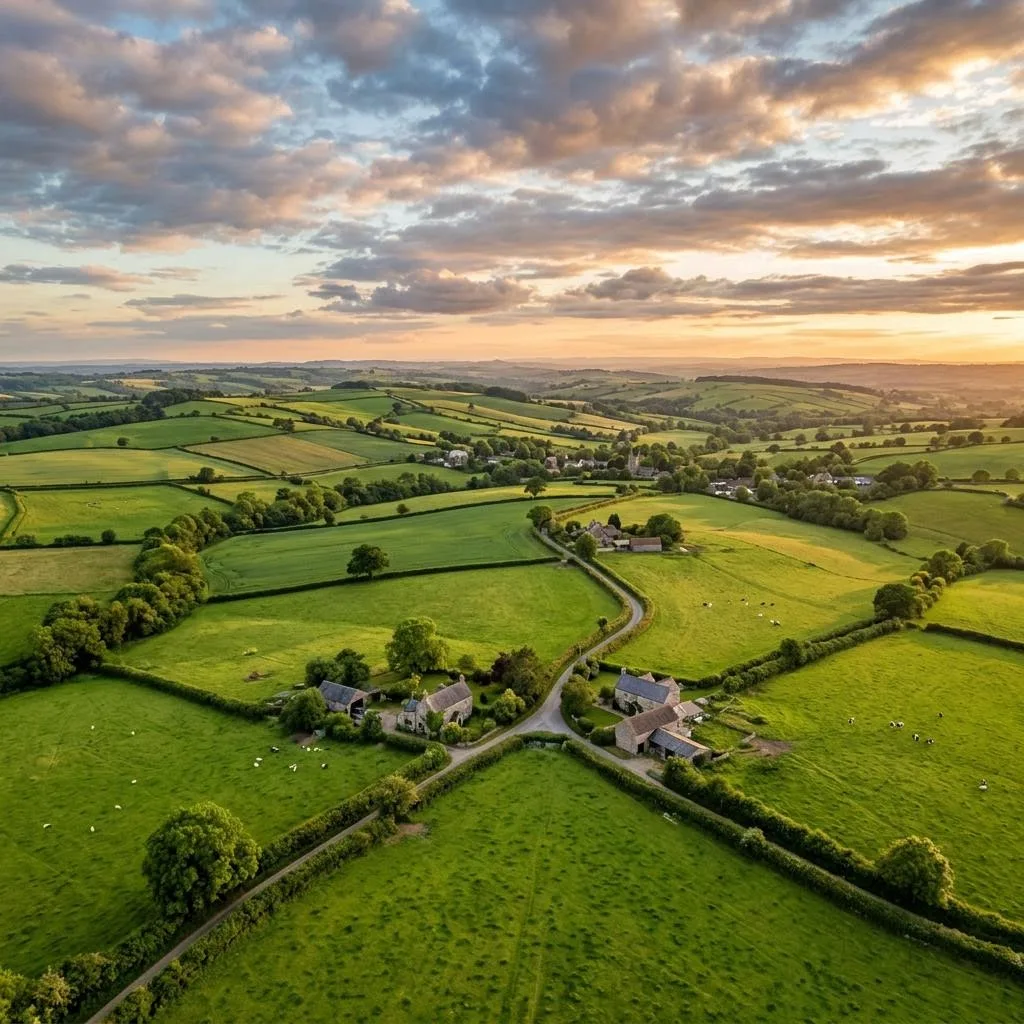
The search for land for sale in the United Kingdom has never been more accessible. Where buyers once relied entirely on local estate agents, rural surveyors or printed classified advertisements in farming publications, the internet now places a vast range of land opportunities within reach of anyone with a device and a search engine. From smallholdings in Wales and woodland plots in Scotland to development land in the Home Counties and coastal plots along the English Riviera, the digital land market spans the full breadth of the country.
However, with so many websites and platforms now competing for the attention of land buyers, it can be difficult to know where to concentrate your search. Not all platforms are created equal. Some are dedicated entirely to land and rural property, while others treat land listings as a secondary category alongside residential and commercial property. Understanding the strengths and limitations of each type of platform helps buyers search more efficiently and ultimately find more suitable opportunities.
This guide reviews the categories of websites most useful for finding land for sale across the UK, with practical guidance on how to get the most from each type of resource.
Dedicated Land Marketplaces
Specialist land marketplaces should be the first port of call for most buyers. These platforms are built specifically around the needs of land buyers and sellers, presenting information in formats that make sense for this asset class. Unlike general property portals, dedicated land platforms typically categorise listings by land type — agricultural, residential, woodland, commercial and development — making it straightforward to filter results to match specific buyer requirements.
Land-sale.uk is a UK-focused specialist platform covering rural, agricultural and development land across the country and beyond. Its focus on land rather than residential property means listings receive the detailed treatment that land buyers need, including acreage information, planning status, access arrangements and land use classifications.
When evaluating any specialist land marketplace, consider whether it allows buyers to register for alerts, save search criteria and contact sellers directly. These features can significantly speed up the search process and ensure buyers are notified of relevant new listings promptly. Also check how frequently listings are updated — a platform with stale or poorly maintained listings can waste considerable time.
Some dedicated platforms also offer editorial content — guides, articles and market analysis — alongside their listings. This additional context can be genuinely helpful for buyers who are still forming their understanding of the land market and what to look for in a purchase.
General Property Portals
The major general property portals — Rightmove, Zoopla and OnTheMarket — do carry land listings alongside their primary focus on residential property. These platforms benefit from very large audiences and strong search engine visibility, meaning that land listings on them can receive significant exposure to buyers who may not yet be using specialist land platforms.
The limitation of general portals is that their search functionality is typically designed around the needs of residential buyers rather than land buyers. Filtering tools may not easily distinguish between different land types, and acreage information is sometimes presented inconsistently. Buyers searching for agricultural land, woodland or development plots may find it more time-consuming to identify suitable results among the broader residential listings.
That said, general portals should not be ignored entirely. Some sellers — particularly those marketing residential plots with planning permission — choose general portals specifically because of their high traffic volumes. Checking these platforms periodically can surface opportunities that specialist platforms may not carry.
Estate agent websites themselves are also worth monitoring, particularly for regional agents who specialise in rural and agricultural property. Many established land agents publish their listings on their own websites before or alongside third-party portals, meaning buyers who monitor agent websites directly may gain early access to new listings.
Land and Property Auction Websites
Auction platforms have become increasingly important in the UK land market. A substantial proportion of land — particularly development sites, smaller plots and unusual rural holdings — reaches buyers through auction rather than private treaty sales. Understanding which auction houses are active in your target region and registering with their platforms ensures you are notified of relevant upcoming sales.
The major national auction houses — including Allsop, Barnard Marcus and SDL Property Auctions — publish catalogues online in advance of each auction date, typically three to four weeks before the sale. This allows buyers and their solicitors time to review legal packs, conduct due diligence and make informed bidding decisions.
Regional and specialist rural auction houses can also be highly productive hunting grounds. Regional auctioneers often have strong relationships with local landowners and may handle sales that never appear on national platforms. Researching which auction houses operate in your target area and monitoring their websites and mailing lists can be a significant competitive advantage.
Modern conditional auction platforms have also emerged as an alternative to traditional unconditional auctions, offering buyers a slightly longer completion period and some of the security of a private treaty transaction. These platforms can be particularly useful for buyers who need mortgage finance, as unconditional auction timescales can sometimes be too short for mortgage approvals to complete.
Planning Portal and Local Authority Websites
The Planning Portal is a government-backed resource that provides access to planning application information across England and Wales. While it is not a land listings platform in the conventional sense, it can be an invaluable tool for buyers researching the planning history and potential of specific sites.
Buyers interested in development land or plots with planning potential can use the Planning Portal and individual local authority planning search tools to identify recently approved planning permissions on plots that may subsequently come to market. This proactive approach — finding approved sites before they are formally listed — can occasionally give buyers early access to opportunities.
Local authority websites also publish lists of surplus council-owned land that may be available for purchase or development. These lists can be inconsistently maintained, but buyers targeting specific geographic areas may find it worth contacting local councils directly to enquire about land disposal programmes.
Forestry and Woodland Specialist Platforms
Buyers specifically interested in woodland and forestry land will find that a small number of specialist platforms cater directly to this niche. Woodland sales require a particular understanding of forestry valuation, management plans and grant schemes, and specialist platforms in this area often provide contextual information that general land portals do not.
The Woodland Trust and Forestry Commission websites occasionally publish information about land disposals and acquisition opportunities, and a number of specialist forestry investment platforms have emerged to serve buyers interested in this sector. Understanding the grants available for woodland management and the tax advantages associated with certain types of forestry investment can significantly affect the economics of woodland purchases.
Social Media and Community Platforms
Social media has become a meaningful supplementary channel for land buyers in the UK. Facebook groups dedicated to specific types of land — smallholdings, self-build plots, equestrian land and rural property in particular regions — regularly feature members sharing listings, discussing market conditions and occasionally posting direct sales that have not appeared on formal platforms.
While social media should complement rather than replace systematic searches of formal platforms, buyers who engage with relevant communities can sometimes discover opportunities that never reach the formal market. Private sellers who want to find buyers with a genuine connection to their land — rather than simply achieving the highest price — may prefer the targeted audience of a community group over a general marketplace.
Setting Up an Effective Multi-Platform Search
The most productive approach to finding land for sale online in the UK combines multiple platform types simultaneously rather than relying on any single resource. Different sellers choose different sales channels, and buyers who limit their search to one or two platforms inevitably miss opportunities available elsewhere.
A well-structured search strategy typically involves registering with two or three specialist land marketplaces, checking at least one major general portal regularly, monitoring the websites of relevant regional auction houses and engaging with social media communities in target areas. Setting up email alerts on as many platforms as possible reduces the manual effort required to maintain such a broad search.
Keeping records of searches, platforms used and listings reviewed helps buyers avoid duplication and track how listings evolve over time. Land that has been on the market for an extended period may be subject to price negotiation, while newly listed land may require prompt action to be competitive.
What Makes a Strong Land Listing?
As buyers evaluate listings across different platforms, developing a clear sense of what constitutes a well-presented and trustworthy listing is important. Strong listings provide comprehensive information about acreage, land type, current use and planning status. They include multiple photographs — ideally both aerial and ground-level images — along with location maps and clear boundary delineations.
Listings that are vague about access rights, drainage, planning history or restrictive covenants may be concealing complications. Buyers who encounter incomplete listings should ask direct questions before committing time to viewings or instructing solicitors.
Price transparency also matters. Some listings display asking prices clearly, while others operate on an offers-invited basis or refer buyers to contact the agent. Understanding the seller's expectations and the method of sale (private treaty, auction, tender) before investing significant time in due diligence helps buyers use their resources efficiently.
Conclusion: A Multi-Channel Approach Wins
No single website holds all available land for sale in the UK. The most successful buyers treat the digital land search as a multi-channel exercise, combining dedicated land platforms with general portals, auction sites, planning databases and professional relationships. This broad approach maximises the chances of discovering suitable opportunities across a diverse and fragmented market.
Patience and systematic effort pay dividends in the land market. Buyers who maintain consistent searches across multiple platforms, respond promptly when suitable listings appear and are well-prepared with finance and professional support are consistently better placed to secure the land they are looking for.
Start your search today with our curated land listings, or read our companion guide on where to buy rural land plots online for further search strategies.